How to Choose the Right MF Tractor for African Farming: A Practical Guide for Farmers and Agribusinesses
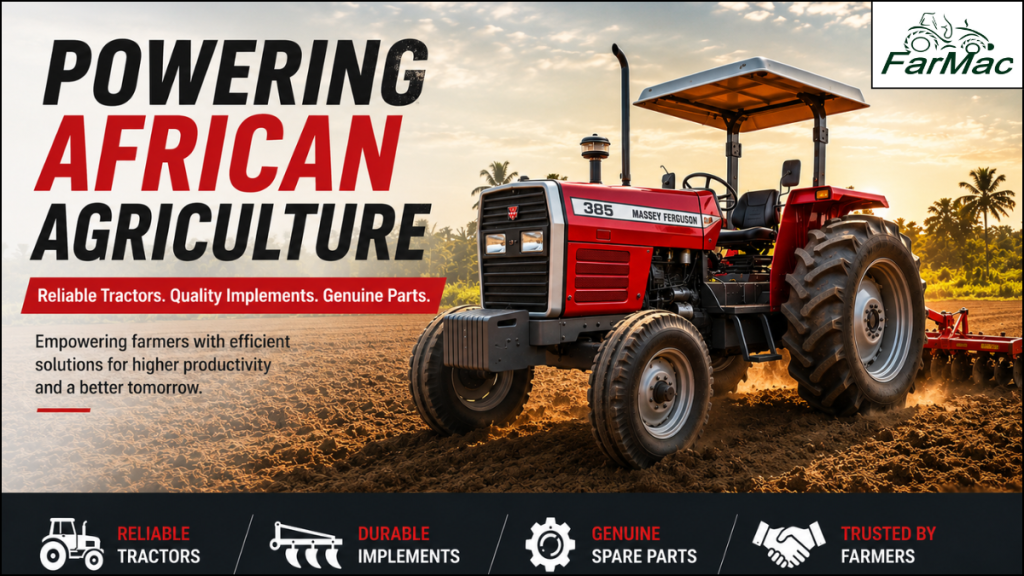
Agriculture is rapidly evolving across Africa, South Asia, and other developing farming regions. As farmers work to increase productivity and meet growing food demands, choosing the right MF tractor has become one of the most important investment decisions for any farming operation. Whether you operate a small family farm in Kenya, a commercial maize farm in Zambia, a wheat farm in Pakistan, or a mixed agricultural business in South Africa, selecting the right tractor can significantly impact productivity, fuel costs, maintenance expenses, and long-term profitability. Many farmers focus only on purchase price when buying a tractor. However, the true value of a tractor lies in its performance, reliability, fuel efficiency, spare parts availability, and compatibility with agricultural implements. This guide explains how to choose the right MF tractor for your farms that every farmer should consider before investing in agricultural machinery. Why Choosing the Right Tractor Matters A tractor is the backbone of modern farming operations. It performs multiple tasks, including land preparation, planting, transportation, spraying, cultivation, and harvesting support. Choosing a tractor that matches your farming requirements helps: Before purchasing a tractor, farmers should carefully evaluate their operational needs. Start with Your Farm Size The first step in choosing a tractor is understanding the size and requirements of your farm. Small Farms (Up to 10 Acres) For small farms, farmers typically require tractors that are economical, easy to operate, and suitable for daily agricultural activities. Common applications include: A 50–60 HP tractor is often sufficient for these tasks while maintaining excellent fuel efficiency. Medium Farms (10–50 Acres) Medium-sized farms require greater versatility. These farms often use multiple implements throughout the growing season. Farmers typically need equipment capable of: A 75 HP tractor provides a strong balance between power and operating costs. Large Farms Large commercial farms require machinery capable of working long hours under demanding field conditions. High-performance tractors are commonly used for: For these applications, 85 HP tractors provide the power needed to maximize efficiency and productivity. Understanding Tractor Horsepower One of the most common mistakes farmers make is purchasing either too much or too little horsepower. 50 HP Tractors Best suited for: 60 HP Tractors Ideal for: 75 HP Tractors Suitable for: 85 HP Tractors Recommended for: Choosing horsepower based on actual field requirements helps reduce fuel consumption while ensuring sufficient performance. Consider the Crops You Grow Different crops require different farming practices and equipment. Farmers cultivating: should ensure their tractor can efficiently operate the necessary implements. The ability to work with plows, cultivators, harrows, seed drills, trailers, and other agricultural equipment is essential for maximizing productivity. Fuel Efficiency Matters Fuel costs represent a significant portion of farming expenses. A fuel-efficient tractor can help farmers reduce operating costs while maintaining productivity. Modern tractors are designed to deliver higher performance with lower fuel consumption, making them a valuable long-term investment. When comparing tractor models, always evaluate: Availability of Spare Parts One of the most overlooked factors when buying a tractor is spare parts availability. Even the most reliable machines require maintenance over time. Access to genuine spare parts ensures: Farmers should always choose machinery supported by reliable spare parts supply and technical assistance. Importance of Agricultural Implements A tractor alone cannot maximize productivity. The right agricultural implements can significantly improve operational efficiency. Common implements include: Choosing compatible implements allows farmers to perform multiple operations using the same tractor. You can explore our agricultural implements too at Farmac’s Agricultural machinery Maintenance Tips for Long-Term Performance Regular maintenance is essential for achieving maximum performance and reliability. Farmers should: Preventive maintenance reduces breakdowns and extends machinery lifespan. Future-Proofing Your Farm Investment Agriculture continues to evolve with increasing demand for efficiency and productivity. Investing in reliable agricultural machinery allows farmers to: Learning how to choose the right tractor for your farms and selecting the right tractor today can support farm growth for many years to come. Looking for reliable tractors, agricultural implements, or genuine spare parts? Farmac Inc Group supplies agricultural machinery solutions designed to support farmers across Africa, South Africa, East Africa, and SAARC markets. Conclusion Choosing the right tractor is about much more than horsepower or purchase price. Farmers must evaluate farm size, crop requirements, fuel efficiency, implement compatibility, and spare parts availability before making an investment. As agriculture continues to modernize across Africa, South Africa, East Africa, and SAARC markets, reliable agricultural machinery remains one of the most valuable tools for improving productivity and profitability. By selecting equipment that matches operational needs and long-term farming goals, farmers can build more efficient, productive, and sustainable agricultural operations for the future. Frequently Asked Questions (FAQs)